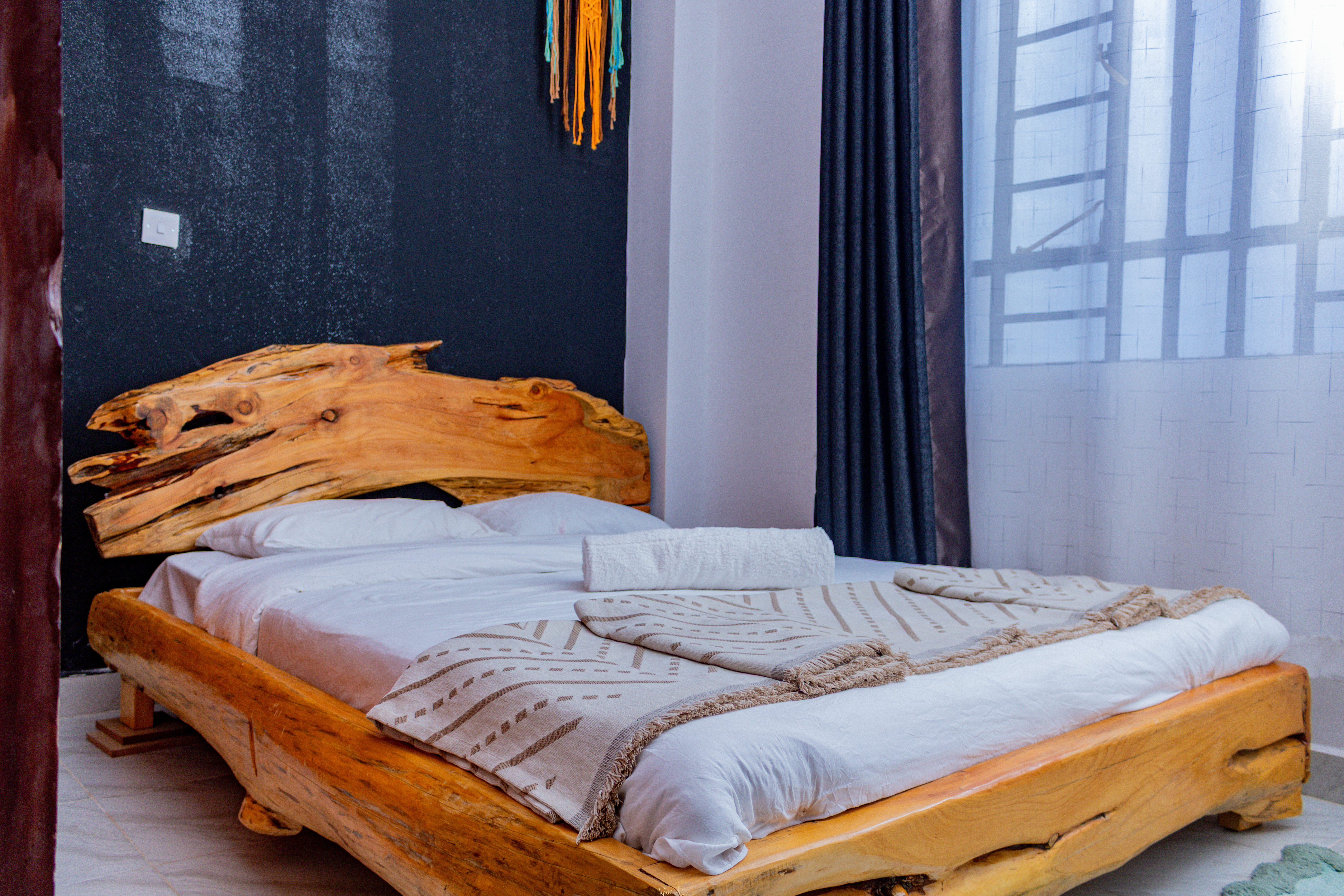
Highland Kenya - Ideal for digital nomads
The honest answer is that most Airbnbs in Kenya are not set up for digital nomads. WiFi is often mobile-data-based, power backup is patchy, and the "dedicated workspace" in the photos is frequently a decorative corner. But the properties that do get it right — particularly in Kenya's highland towns — offer a remote work setup that rivals coworking spaces in Nairobi at a fraction of the cost.
This guide focuses on what to look for, where in Kenya the nomad lifestyle works best, and which properties are genuinely set up for people who have actual deadlines.
The Non-Negotiables for Remote Work in Kenya
Internet: Fibre or Nothing
Kenya's urban fibre infrastructure is solid — Safaricom Home Fibre, Zuku, and Faiba all offer reliable packages in major towns. The problem is that many short-term rentals rely on mobile data (typically a Safaricom 4G router), which can handle casual browsing but buckles under sustained video calls or large file transfers.
For digital nomad use, you need:
- Minimum 20 Mbps upload speed: For reliable Zoom, Google Meet, and uploading to cloud platforms.
- A dedicated line: Not shared with neighbouring units or the entire apartment block.
- Stable latency: Fibre typically gives you 10-30ms; mobile data can spike to 100ms+ during peak hours.
Always ask which provider the property uses and request a speed test screenshot. Any host serious about remote workers will have this ready.
Power Backup
Load-shedding in Kenya is less severe than in some neighbouring countries, but it's still a reality in some highland areas. An unplanned 3-hour outage mid-client call is not a risk worth taking. Properties with generator backup or solar-plus-battery systems are the ones to prioritise.
Ask specifically: does the backup cover the WiFi router? A generator that powers the lights but cuts the internet is useless for remote work.
A Proper Workspace
A dedicated desk with a chair at a comfortable working height sounds like a low bar. In practice, many Airbnbs offer a dining table at dining height — fine for a day, uncomfortable for a week. Look for:
- A desk separate from the dining table, ideally in a quieter part of the property
- Good ambient and task lighting (highland mornings are often overcast)
- Power outlets within reach of the workspace
- Reasonable acoustic separation from living areas if you share the property
Why Highland Kenya Works for Nomads
Most digital nomads arriving in Kenya head straight for Nairobi, specifically Westlands, Kilimani, or Karen. These are all valid bases, but they come with Nairobi traffic, higher costs, and the general intensity of a major East African capital.
The Nanyuki-Nyahururu corridor in the central highlands offers a different proposition:
- Significantly lower cost of living than Nairobi
- Cooler, more comfortable working climate (12-22°C average)
- No commute friction — you work where you sleep
- Immediate access to hiking, safari, and outdoor reset options
- Strong fibre internet coverage in established residential areas
Nanyuki in particular has become a quiet hub for long-stay visitors, partly because of the Ol Pejeta Conservancy draw and the Nanyuki airstrip's connections to Nairobi Wilson. You can be in Nairobi for a client meeting and back in Nanyuki by afternoon.
Nairobi vs. Highland Towns: A Practical Comparison
Nairobi
Higher costs, excellent coworking options (The Workbench, iHub, Nairobi Garage), more networking opportunities, but traffic is a real time tax. A property in Westlands or Kilimani will cost 30-60% more than an equivalent highland option.
Nanyuki
Lower daily costs, excellent base for Ol Pejeta or Mt Kenya weekend trips, growing community of long-stay expats, Safaricom fibre available. Less nightlife and networking, but many nomads see that as a feature, not a bug.
Nyahururu
Even quieter than Nanyuki, lower costs again, access to Thomson's Falls and the Aberdare forest edge. Works best for nomads who need minimal distraction and want an immersive highland experience.
The Escape Airbnb: Built for Extended Working Stays
Among highland Kenya options, The Escape Airbnb — with properties in both Nanyuki and Nyahururu — is one of the few that has clearly been set up with working guests in mind rather than just passing tourists.
Running since 2018 with a 4.9-star rating, the properties offer:
- Dedicated fibre internet: Sufficient for video calls, VPN use, and heavy cloud work. Confirmed provider details available on request.
- Full backup power: Generator coverage including the WiFi router — so outages don't interrupt your work.
- Complete kitchen: Gas cooker, full-size fridge, and cookware. A functional kitchen at your accommodation is one of the biggest daily cost-savers for a nomad on an extended stay.
- Laundry facilities: On-site laundry. Non-negotiable for anything beyond two weeks.
- Secure parking: Gated and off-street if you're working between locations with a rental car.
- Workspace setup: Proper desks with adequate lighting — not the 'laptop on a coffee table' arrangement that most holiday rentals default to.
The Nanyuki property is particularly well-placed: 30 minutes from Ol Pejeta for a Friday afternoon game drive, connected to Nairobi via the Nanyuki airstrip, and situated in a quieter residential area away from town noise.
The Nyahururu property suits nomads who want the most distraction-free setup — close to Thomson's Falls trails for morning runs, a tight local economy for daily costs, and genuine quiet during working hours.
Booking Directly: Why It Matters for Nomads
Platform fees (Airbnb's service fee alone runs 14-16% for guests) are manageable on a short trip. On a 30-day stay, they become a meaningful added cost. Booking directly through theescapeairbnb.com eliminates those fees and, more practically, opens a direct line to the host team.
That direct line matters for working guests. "Can I get the exact WiFi speed?" "Is there a desk in both bedrooms or just one?" "Is early check-in possible — I have a call at 9am?" These are questions that platform messaging handles awkwardly; a direct conversation handles cleanly.
Monthly rate negotiations are also only realistic in a direct booking context. Most Airbnb hosts with quality properties will offer a substantive discount for 21+ day stays — but that conversation happens outside the platform, not inside it.
Local Infrastructure: What Nomads Need to Know
SIM and Data Backup
Get a Safaricom SIM at the airport or at any Safaricom shop in Nanyuki or Nyahururu (bring your passport for registration). Load it with a monthly data bundle as a failover. Safaricom's 4G coverage in both towns is reliable enough for this purpose.
M-Pesa for Daily Life
M-Pesa covers the vast majority of daily transactions — groceries, transport, hardware shops, even some utility payments. Link it to your Kenyan SIM early. International visitors can use the GlobalPay virtual Visa card option within the M-Pesa app for USD-denominated spending.
Co-working for Days You Need a Change of Scene
Neither Nanyuki nor Nyahururu has a dedicated coworking space at the time of writing, though several cafes in Nanyuki (around the Market Road and Jamhuri Street area) have WiFi and a working culture. The Sportsman's Arms hotel in Nanyuki has a functional lobby area with reasonable coverage.
For serious coworking infrastructure, Nairobi (3-4 hours by road, 45 minutes by flight) remains the benchmark.
Time Zone Advantages
East Africa Time (EAT, UTC+3) is genuinely useful for remote workers with European or Middle Eastern clients — your working day overlaps cleanly with EU business hours. For US clients, late-afternoon calls in EAT align with US morning hours, which many nomads find workable.
What to Book and How
If you're planning a working stay of two weeks or more in highland Kenya, the checklist before committing to any property:
- Confirmed internet provider and current speed (not the listing claim — ask for a recent test)
- Backup power coverage including WiFi router
- Kitchen adequacy for your cooking style
- Laundry access
- Workspace photos (not just the bedroom photos)
- Monthly rate versus nightly — always negotiate for longer stays
For the Nanyuki and Nyahururu region specifically, view both The Escape properties and book directly at theescapeairbnb.com. You'll avoid the platform service fee, deal with a Superhost team that's been doing this since 2018, and get the kind of pre-arrival logistics support that makes a long working stay actually work.
Author Bio
The Escape Team curates exceptional stays in Kenya's highlands, specializing in extended-stay accommodations for remote workers and digital nomads.
Last updated: June 2026
 Read story →